

Group Dental, Vision, and Supplemental Benefits for Small Business Owners in Georgia
Your employees are asking about dental and vision. Your competitors are offering them. And you are wondering how to add more without spending more. That question is exactly where we start.

What It Means to Work with an Independent Agency
Non-medical benefits are the layer of coverage that sits alongside your health plan and completes the picture for your team. For many small business owners in Atlanta and across Georgia, these benefits are the difference between a package employees value and one they merely tolerate.
Here is what a complete non-medical benefits structure typically includes:
- Dental insurance: Preventive, basic, and major coverage — employer-paid, voluntary, or a combination of both
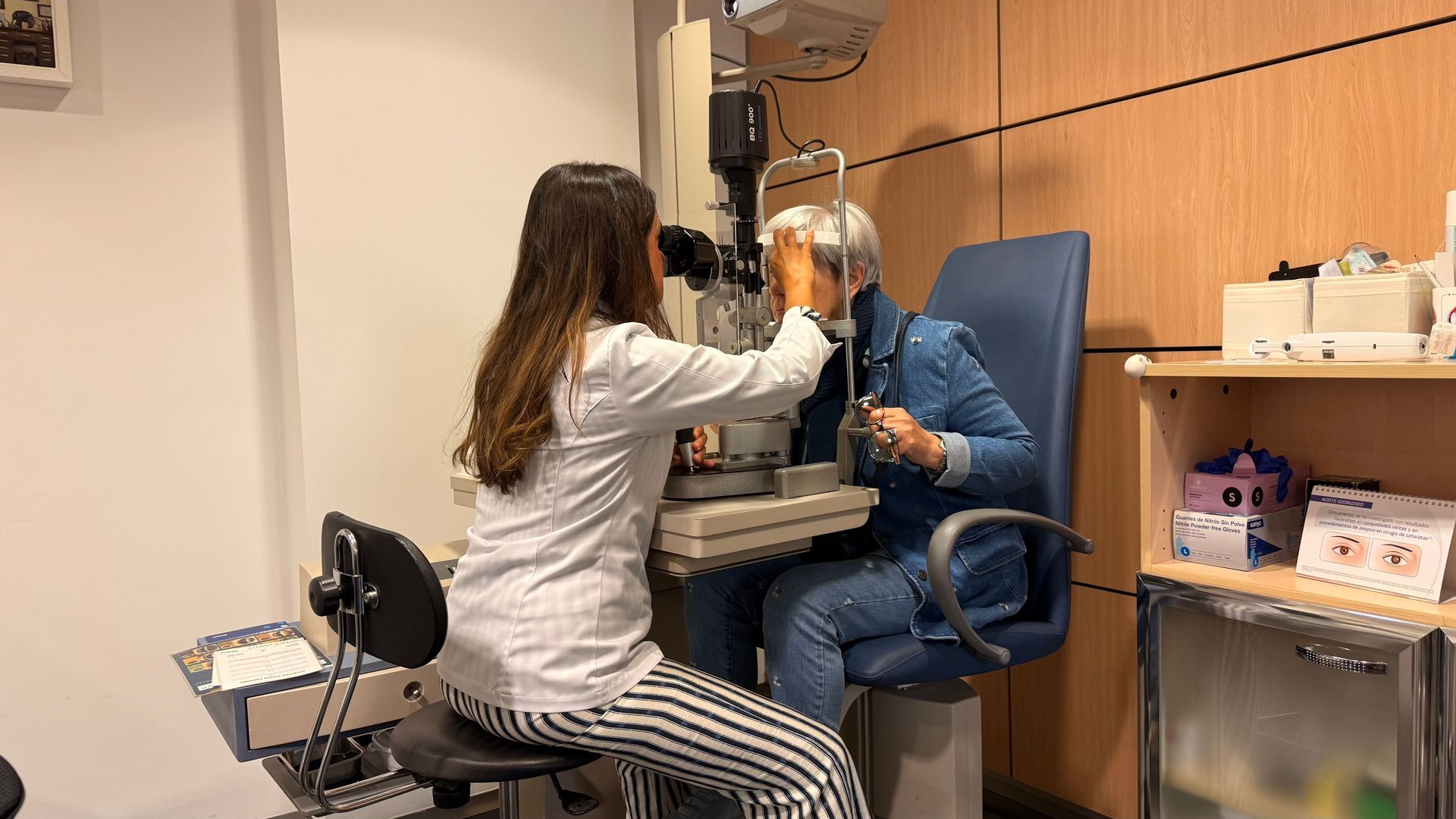
- Vision insurance: Exam coverage, frames and lenses, and contact lens allowances
- Group life insurance: Employer-sponsored term life coverage, often offered as a flat benefit or a multiple of salary
- Short-term disability(STD): Income replacement for employees who cannot work due to illness, injury, or recovery — typically covers 60–70% of weekly earnings for a defined period
- Long-term disability (LTD): Extended income protection when a disability lasts beyond the short-term window, often 90 days or more
- Supplemental benefits: Accident insurance, critical illness coverage, hospital indemnity, and other voluntary add-ons employees can elect and fund themselves
Employer-Paid vs. Voluntary: You Do Not Have to Pay for All of It
One of the most common misconceptions we hear from small business owners is that offering non-medical benefits means absorbing the full cost. It does not. Voluntary benefits — dental, vision, supplemental life, accident, and critical illness plans — are structured so that employees choose what they want and fund it through payroll deduction. The employer facilitates access to group rates without carrying the premium.
This distinction matters for trades companies, dental and medical practices, law firms, and small professional service businesses where margins are real and headcount is growing. You can offer a richer, more competitive benefits package at little to no additional employer cost. We help you structure the right mix — employer-paid where it counts most, voluntary where it makes sense — so the package is meaningful without straining the budget.
Who Non-Medical Benefits Are Right For

The Business Owner Who Wants to Compete for Talent
If you run a trades company, a chiropractic practice, or a small law firm, your employees have options. A group dental and vision plan — even a voluntary one — signals that you take care of your people. That signal matters in hiring conversations.
The Employer Who Already Has Health Coverage and Wants to Add More
Many of our clients come to us with an existing group medical plan and want to layer dental and vision on top without disrupting what is already in place. We add coverage alongside your current structure. Your employees get more. Your carrier relationship stays intact.
The Budget-Conscious Owner Who Needs Options, Not Obligations
If you cannot commit to employer-paid premiums across the board, voluntary benefits give your team access to group-rate pricing they could not get on their own — at no cost to you. It is a meaningful benefit that costs you nothing beyond the time to set it up.
Common Questions About Non-Medical Group Benefits

What non-medical benefits should small businesses offer employees in Georgia?
At minimum, dental and vision coverage — whether employer-paid or voluntary — are the most requested non-medical benefits among employees. Group life insurance and short-term disability are strong additions, particularly for businesses in trades, healthcare, and professional services where income protection matters. The right combination depends on your workforce, your budget, and what your competitors are offering.Can I offer dental and vision without changing my current health insurance plan?
Yes. Dental and vision plans are typically separate from medical coverage and can be added without altering your existing group health arrangement. We add them alongside what you already have, working with the carriers and structures that fit your group size and budget.What is the difference between short-term and long-term disability insurance for employers?
Short-term disability covers a portion of an employee's income — usually 60–70% — for a limited period, typically up to 26 weeks, following an illness or injury. Long-term disability picks up where short-term ends, providing extended income protection for disabilities that last beyond 90 days or longer. Many employers offer both in sequence to give employees continuous coverage.How do voluntary benefits work — who pays for them?
With voluntary benefits, employees elect the coverage they want and pay the premiums through payroll deduction. The employer's role is to make the benefit available and facilitate the deduction. Employees gain access to group-rate pricing they could not access on their own, and the employer carries little to no additional cost.Can Some1 help with the administrative side of managing non-medical benefits?
Yes. Managing a benefits package — tracking elections, coordinating with carriers, and keeping everything organized — adds complexity to running a business. Through our connection with Mind Palace, we can support the bookkeeping and administrative side of benefits management for business owners who need more than just the plan itself.
Request Your Quote Today
We will get back to you as soon as possible.
Please try again later.
Let's Figure Out What Your Team Actually Needs
Not sure which benefits to offer or where to start? A 24-minute conversation is enough to get clear on what makes sense for your business, your budget, and your employees. We will sort through it with you and point you in the right direction — whether that is a voluntary dental plan, a full supplemental package, or something in between.